OpenCitizen
A digital twin of New York City that tracks civic events and models their effects. The first prototype covered the 2025 mayoral primary, turning 11 candidates’ scattered policy documents into simple, comparable reporting.
Summary
Built a three-stage pipeline turning raw scraped content into a queryable database.
Made 16 policy proposals from 11 candidates directly comparable.
Published 11 sourced, citable posts drafted from structured data.
Description
Context
Political races are flooded with incomplete and inaccurate information, and it's hard to know where any candidate stands on the issues critical to voters. In the 2025 NYC mayoral primary, 11 candidates had policy documentation spread across PDFs, websites, news articles, and interviews, with no way for a voter to compare plans side by side.
Approach
I built a three-stage processing pipeline that cleans, enriches, and canonicalizes 740+ source documents, including coverage from 23 news outlets, then applied one fixed 11-topic taxonomy across every document to tag all policy proposals. Entity aliases resolve to canonical IDs across the whole dataset, and semantic search with citations drafts reports from sources rather than memory.
Deliverables
I published 11 sourced, citable posts drafted from structured data: candidate comparisons, debate analysis, and policy breakdowns. Among them were a seven-candidate housing table and a thirteen-topic debate breakdown.
Gallery
More projects
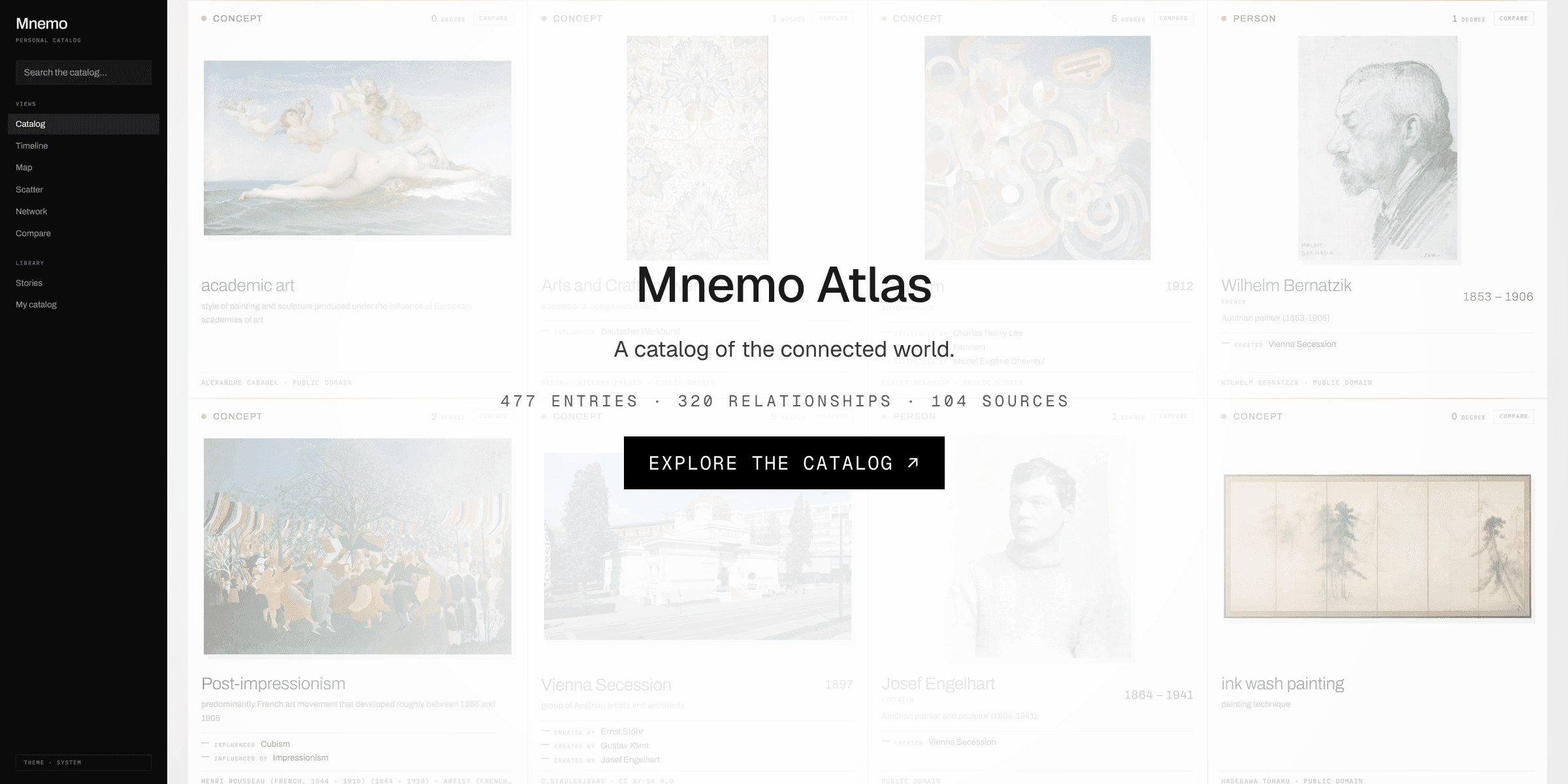
Mnemo Atlas
A catalog of culture built around connections: not only what we know about something, but how it relates to everything around it, and where that connection comes from.
Data · AI · 2026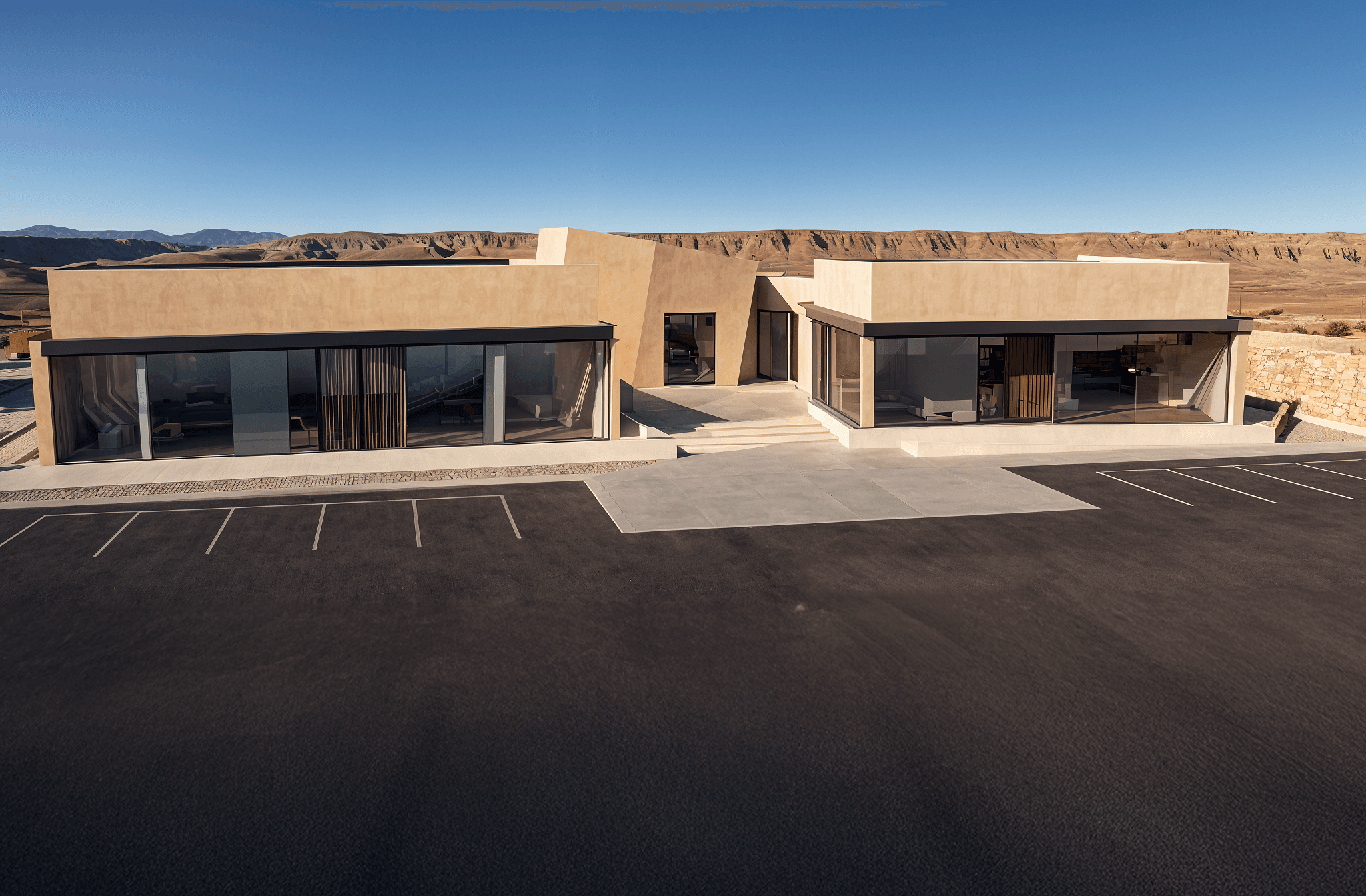
Native Catalyst Community Center
The architectural program was derived from studies of space utilization in co-working spaces, geospatial analysis for site location, and regional architectural styles. The result is a community hub with financial services, a cafe, a convenience store, and local programming.
Architecture · Urbanism · 2024