Smart Curtain
Smart Curtains provide visual separation, thermal barriers, and dynamic lighting to various living spaces throughout the Soft House in Hamburg, Germany. While the curtain can be positioned to alter living spaces within the house, the LED lights bring the external environment into the house by flickering on and off as a function of the wind speed outside.
Summary
A kit of modified, repeatable, and electrified curtain track segments that adapts to various room configurations.
Helped refine, design, and manufacture the power trolley, and iterated through design challenges.
Tested the design and construction, and installed the curtain track in the house in Hamburg.
Description
Context
The Soft House in Hamburg, Germany is a winning competition entry for the Internationale Bauausstellung (IBA), a German building tradition that dates to 1901. Completed in March of 2013, it is a set of live/work row house units which offer a new model for low carbon construction and an ecologically responsive lifestyle that can be personalized to meet homeowner needs.
The house is designed to integrate natural light, ventilation, and passive climate control. A three-story air convection atrium brings daylight deep into the ground floor and modulates the rise and fall of warm and cool air with a system of operable windows and interior curtains, which are designed to act similar to walls by providing spatial separation, lighting, and thermal regulation within the living spaces.
Approach
The system consists of modified, repeatable, and electrified curtain track segments; custom designed hangers; and power trolleys that supply power and data to LED lights attached between the double layered aluminum fabric.
Electricity captured from solar energy helps power the house while a central computer controls how the lights, embedded in the curtains, flicker based on changes to the exterior wind speed. The curtains can also be a power source for the user through USB ports embedded within the curtain fabric.
The curtain tracks are a kit of parts that allow the system to adapt to various room configurations. Printed circuit boards were added to the track to bring data and electricity to the LED lights in the curtains.
Deliverables
The LED lights receive their electricity and data from a power trolley designed to smoothly roll within the custom power track. Conductive springs transfer the electricity and data to the LED lights placed within the curtain.
I helped refine, design, and manufacture the power trolley, and worked with the engineering teams to troubleshoot problems, debug issues, and test the designs. I then installed the curtain track in the house in Hamburg, Germany.
Gallery
More projects
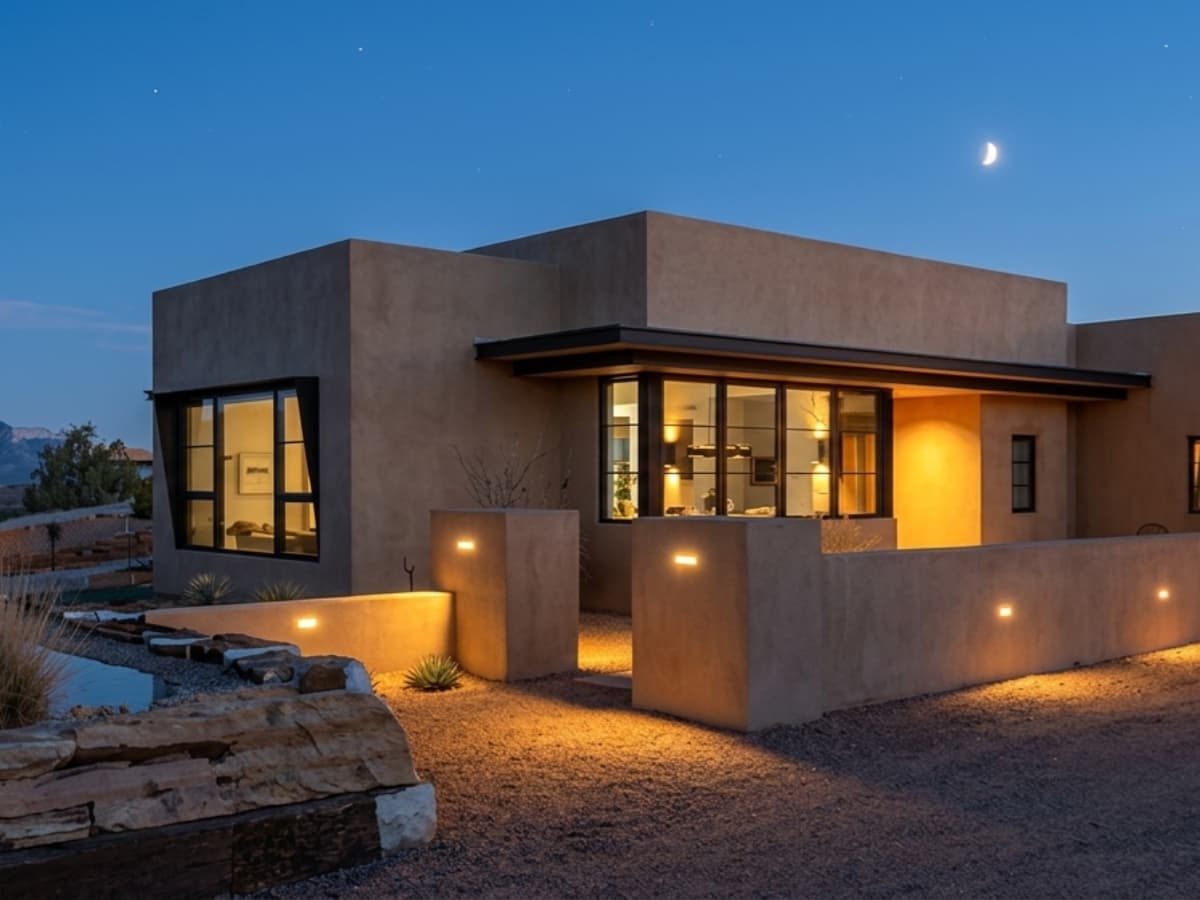
Casa Encantada
A cut-and-fill strategy seats the house into its sloped site; continuous glulam cantilevers and full-height glazing open the plan to landscape and light.
Architecture · 2017 – 2020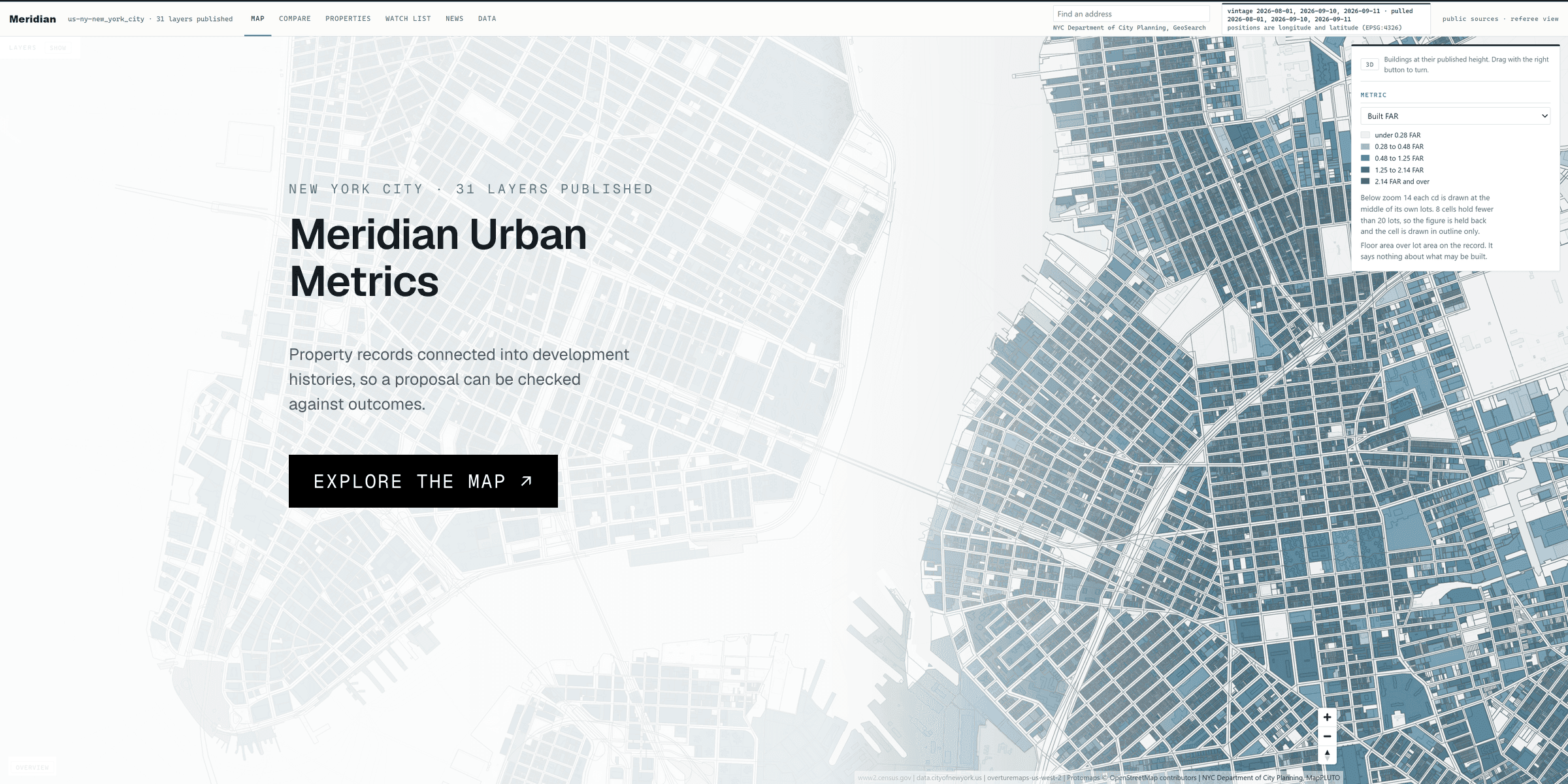
Meridian Urban Metrics
A forward-deployed engineering platform for real-estate development and investment analysis, built on a reusable historical data and modeling layer.
Data · Economics · Urbanism · 2026