Vibro Windscreen
Energy-capturing windscreens designed to increase the air speed through hexagonal structures in order to maximize the oscillation of leaves. This back and forth motion generated electricity by flexing piezoelectric tape that was placed at the base of the stem.
Summary
Designed and built hexagonal windscreens that increase the air speed to maximize the oscillation of leaves.
Piezoelectric tape at the base of each stem turns the back and forth motion into electricity, transferred to a central battery for the housing complex.
Screens hung from net structures on existing Plattenbau facades create a second skin and a semi-sheltered public space.
Description
Context
The project proposes an alternative sustainable approach to adaptive reuse in the Eastern European multi-family panelized housing blocks of the Petržalka district. It adds a lightweight, secondary facade system that mitigates the windy conditions of the housing complex while also providing opportunities for landscape design that can create new social spaces and enhance biodiversity.
Approach
The design focused on hexagonal windscreens that convert wind energy into electricity by vibrating leaves that flex piezoelectric tape. The design optimized the airflow by accelerating the wind into the hexagonal cells, to maximize the oscillation of leaves within the cells to generate electricity. The electricity would then be transferred to a central battery and utilized by the inhabitants of the housing complex.
Sectional diagrams and an analytical model mapped wind speed and light across the complex, and clusters of screens were studied in different arrangements on the cable structure. Parametric design allowed the system to adapt to varying environmental conditions and spatial requirements within the housing complex.
Deliverables
I designed and built the energy-capturing windscreens, including a working prototype. The physical working prototype demonstrated the feasibility of the design, showing that the hexagonal windscreens could effectively capture wind energy and convert it into electricity. Hung from net structures on the existing facades, the screens would create a second skin that would benefit the residents by providing them with a form of renewable alternative energy as well as an intermediary, semi-sheltered public space.
Gallery
More projects
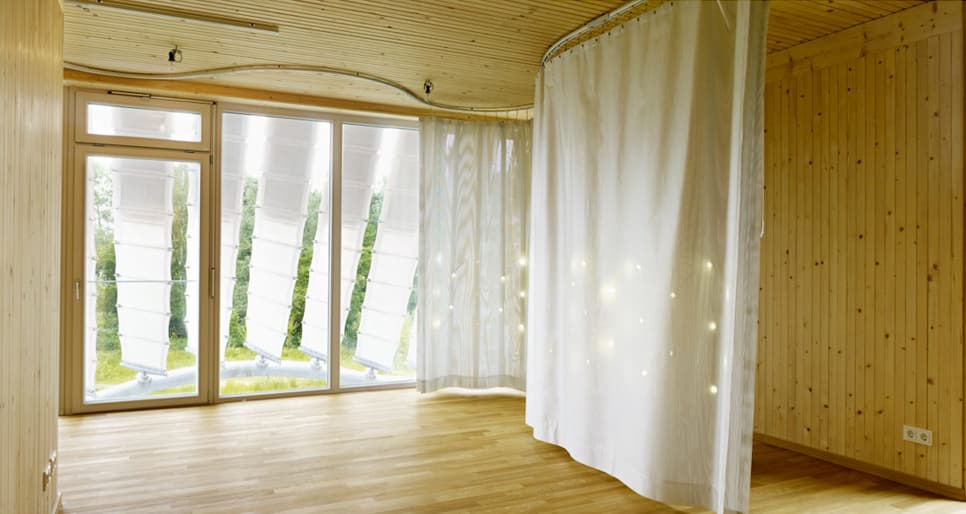
Smart Curtain
Smart Curtains provide visual separation, thermal barriers, and dynamic lighting throughout the Soft House in Hamburg, Germany, with LED lights that flicker as a function of the wind speed outside.
Product · Manufacturing · Architecture · 2013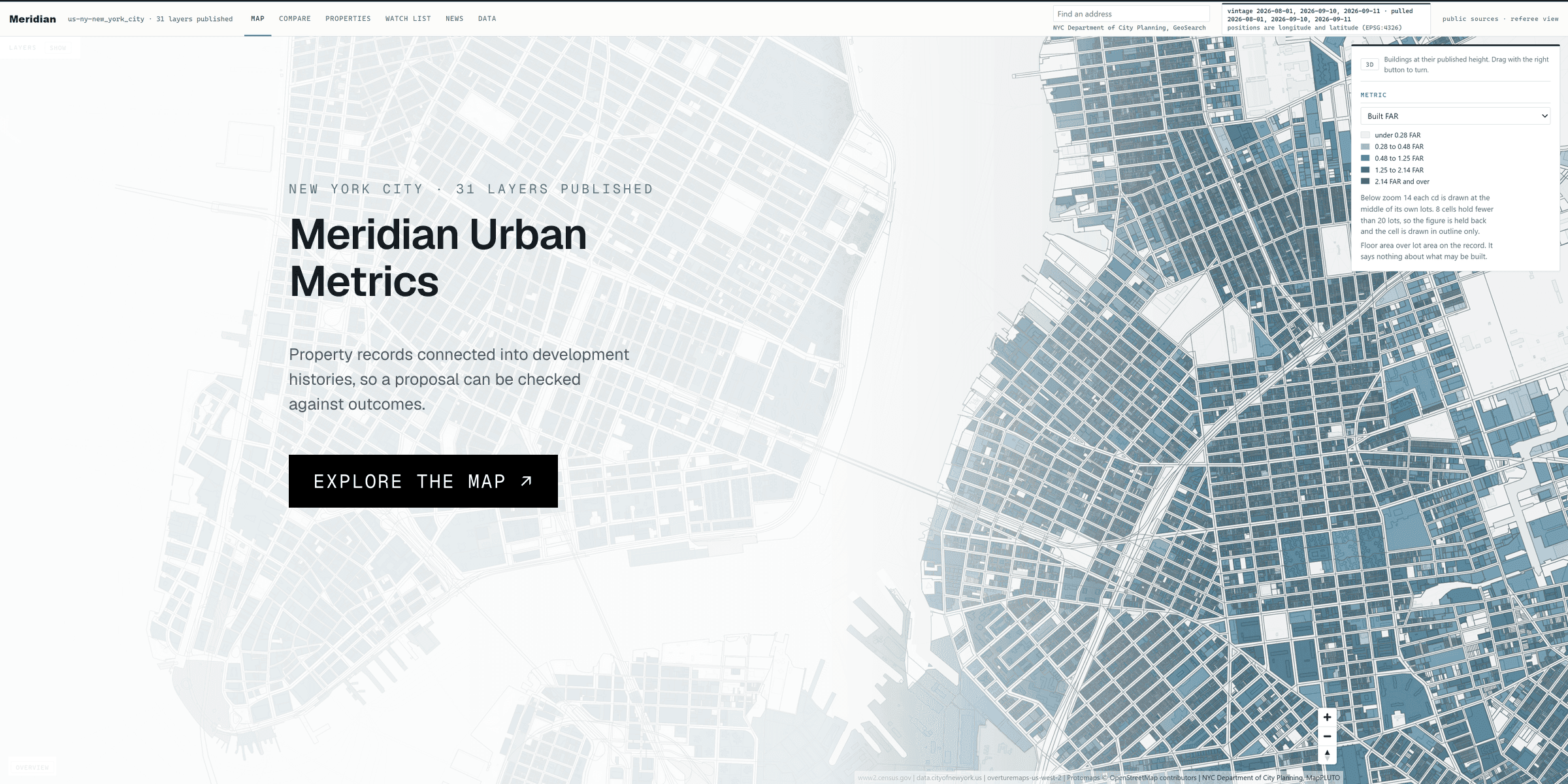
Meridian Urban Metrics
A forward-deployed engineering platform for real-estate development and investment analysis, built on a reusable historical data and modeling layer.
Data · Economics · Urbanism · 2026